UFC Live and In-Play Betting in the UK: A Practitioner’s Guide
 Available in US
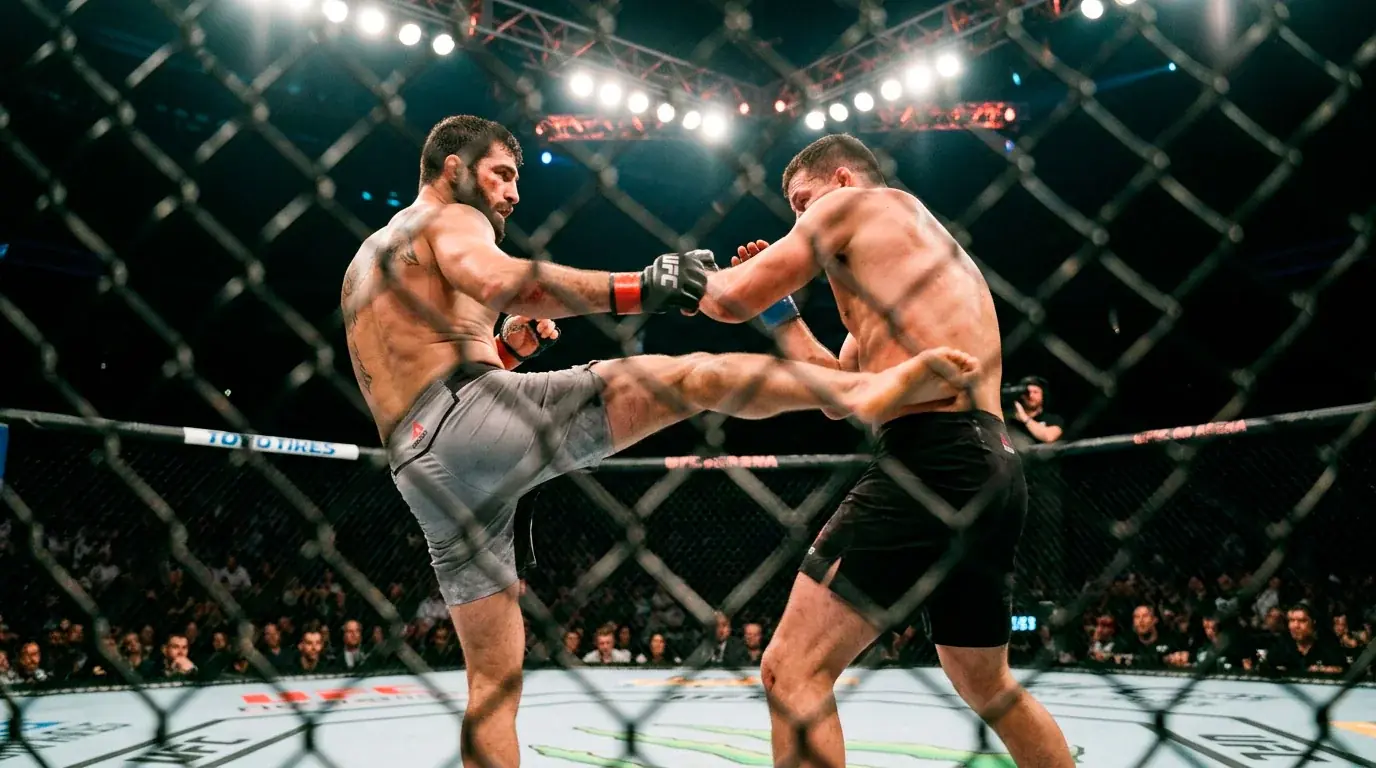
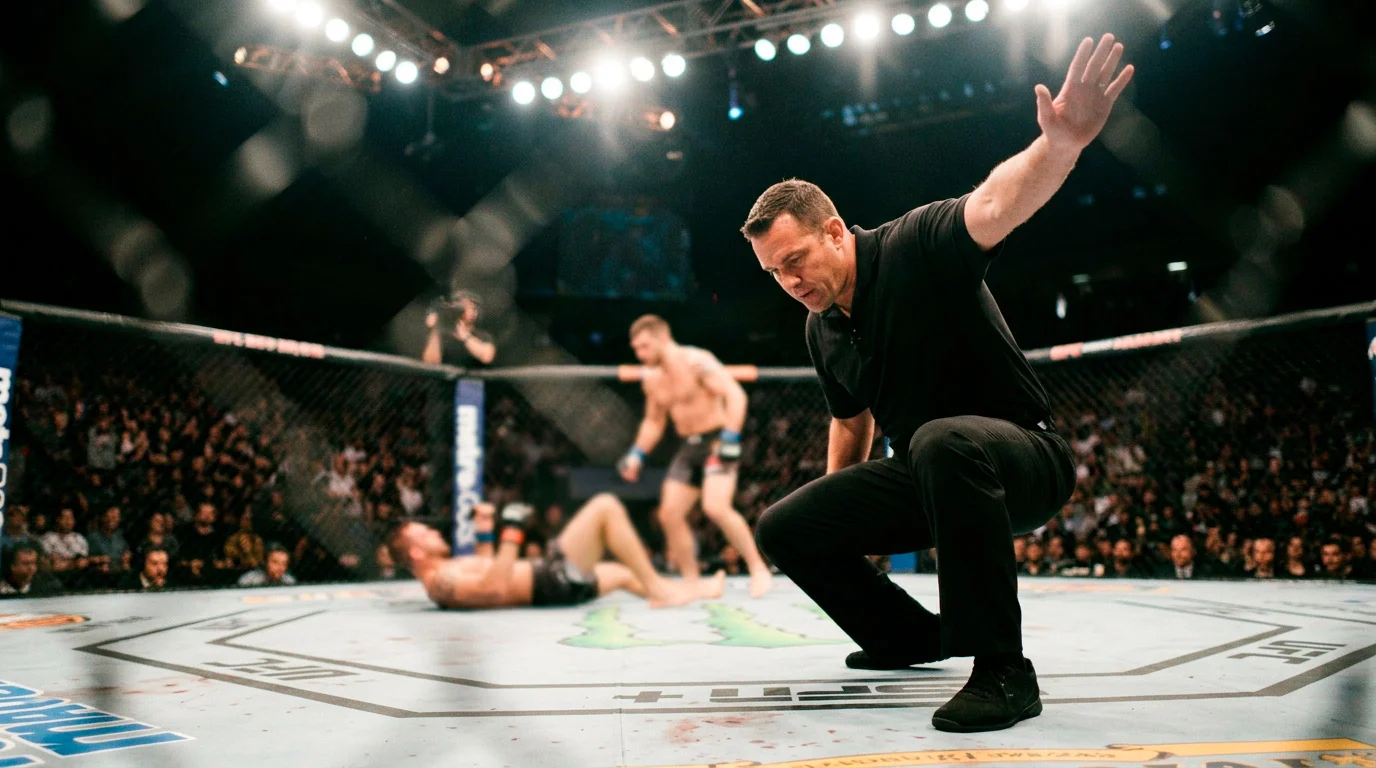
Live in-play UFC betting is the most exciting and the most dangerous corner of the betting calendar. The lines move in seconds, the cash-out offers refresh faster than you can read them, and the temptation to chase every shifting price is overwhelming when the round is two minutes old and your moneyline pick is suddenly down on the cards. I have made some of my best individual bets in live UFC markets, and I have lost more money there per hour than in any other corner of betting. The difference between the two outcomes is almost entirely about discipline.
The bookmaker’s edge in live UFC markets is structurally larger than in pre-fight markets. Margins of 8% to 12% are common during active rounds, sometimes higher in volatile situations where the model has limited confidence. That margin has to be overcome before any edge appears, which means casual live betting is even more of a long-run leak than casual pre-fight betting. The bettors who succeed in live UFC markets do so by combining narrow, specific situations with severe discipline about when to bet and when to do nothing.
Between-Round Markets and Why They’re the Default
The cleanest live UFC market — and the one I bet most often — is the between-round window. After each round ends, the bookmaker pauses live betting for thirty to ninety seconds while the cornermen work and the judges update their scoring, then reopens markets with new prices that reflect what just happened. The between-round window is where the live model has time to think, where the lines settle into clean prices, and where the bettor has time to read the situation without being rushed by ticking seconds.
The between-round prices on the moneyline are usually quite reasonable. The bookmaker’s model has seen the same round you’ve seen, weighted the scoring, and produced a price that reflects roughly fair value plus margin. Where edge appears is when your read of the round differs meaningfully from the bookmaker’s read. Sometimes the model sees a fighter dominating who you saw barely surviving; sometimes it under-rates a comeback round that produced more damage than total strikes. Those reading-difference moments are where between-round bets can produce real positive expected value.
The other reason to default to between-round betting is decision quality. Watching a UFC round and betting live during the round is genuinely cognitively demanding — you’re simultaneously processing fight action, tracking the running odds, considering stake size, and managing emotional response to whatever just happened. The decisions made in that overloaded state are worse than the decisions made in the calm thirty-second window between rounds. The structural advantage of between-round betting is that it forces you to make decisions in a state where decisions are actually possible.
In-Round Markets and Why They Punish
The bookmaker offers active markets during rounds, but I almost never bet them. The reasons are several. First, the prices update faster than the human eye can compare them across multiple books. Line shopping during an active round is theoretically possible but practically futile. Second, the bookmaker’s live model often has a small information advantage on stream delays — they may be working from a feed that’s two to three seconds ahead of yours. That gap doesn’t matter for most positions but it matters enormously for any bet you place based on what just happened on screen.
Third, the emotional pressure during an active round skews decision quality in predictable directions. Bets placed during dramatic moments — a knockdown, a near-finish, a dramatic comeback — are almost always worse than the same bet would have been if placed twenty seconds later when the situation had settled. The bookmaker’s model is calibrated for these high-volatility moments. The bettor’s emotional response is not.
Fourth, and most importantly, the bookmaker’s margin during active rounds widens substantially. The line spread between “fighter X to win” and “fighter Y to win” can blow out to 15% or more during high-volatility moments, because the bookmaker is protecting against rapid price changes. That margin is the cost of betting during active rounds, and it’s a cost you mostly don’t have to pay if you wait for the between-round window.
The exception, and it’s narrow, is when you have a strong specific read on what’s about to happen — a fighter you’ve been watching for fifteen minutes whose cardio just collapsed in a visible way, an opponent who has clearly hurt them and is closing for the finish. Even then, the bet has to be sized small enough that the wider margin and emotional risk don’t dominate the expected value.
The Round-Total Live Adjustment
The single best live UFC market in my tracking is the round-total adjustment after a competitive round one. The pre-fight line on over/under 2.5 rounds reflects expectations about whether the fight will reach round three. A competitive round one where both fighters survived a few exchanges typically pushes the over price longer in live trading, because the pre-fight model anticipated more early finishes than actually materialised.
The live market often over-corrects on this adjustment. After a competitive round one between two strikers, the over 2.5 might drift from a pre-fight -120 to a live +100 — generous given that the most likely outcome from “competitive round one with no finish” is “fight reaches round three at minimum.” Backing the over in this exact situation has produced consistent edge in my tracking, particularly on prelim fights where the live model is less carefully calibrated.
The reverse trade works in heavyweight fights specifically. After a competitive heavyweight round one where neither fighter has gone down, the under 2.5 sometimes drifts longer than it should, because the live model treats survival as evidence the fight will continue. But heavyweight round-two finishes happen at much higher rates than the live model’s adjustment suggests — the fighters are still fresh enough to throw with power, and accumulated round-one damage often expresses itself in round two. The under 2.5 at a live +110 after a competitive heavyweight round one is a bet I take consistently when the pre-fight power profile of both fighters was high.
Cash-Out Discipline and the Margin Trap
The cash-out feature is most aggressive in live UFC markets, where the bookmaker can offer constantly-updating exit prices based on the moment-to-moment fight state. The cash-out margin in live markets typically runs 5% to 12%, and the value comparison is harder to make in real time because the underlying probability shifts so quickly.
The discipline that protects against the live cash-out trap is to commit to a pre-decided cash-out policy before the fight starts. Will you cash out at any price after a knockdown against your fighter? Will you cash out only if the offer exceeds a specific percentage of your maximum return? Will you never cash out under any circumstances? Whatever the policy, set it pre-fight and stick to it during the fight. The decisions made in real time are systematically worse than the decisions made calmly in advance.
The 96.3% automatic withdrawal rate that UKGC operators report applies to live-bet settlements as it does to pre-fight bets. Winnings from live bets typically settle and become available for withdrawal within minutes of the fight ending. That speed undercuts the convenience argument for cashing out — you’re paying margin for certainty that’s only minutes away anyway, which is rarely a good trade.
For the full breakdown of when cash-out actually makes sense and when it’s a margin trap, the cash-out guide covers the mechanics in detail. The short version: rarely useful, occasionally rational, mostly a tax on emotional decisions.
Bankroll Sizing for Live Betting
The variance in live UFC markets is higher than in pre-fight markets, which means stake sizes should be smaller — not larger, as the emotional temptation often suggests. I cap my live bets at half my normal flat unit (so 0.5% of bankroll if I’m running 1% on pre-fight bets) for two reasons. First, the wider margins eat more of any genuine edge, which means even good bets have lower expected value per pound staked. Second, the emotional pressure of live betting produces more chase-tilt behaviour than pre-fight betting, and smaller stakes limit the damage when discipline slips.
The other adjustment is to cap total live exposure per fight. If I have an open pre-fight bet on a moneyline, I limit live additions to one between-round position. Layering three or four live bets on the same fight — moneyline live add, round-total adjustment, method-of-victory chase, cash-out partial — compounds variance in ways that no individual bet’s expected value can support. Live betting is most productive when it’s surgical: one specific situation, one specific bet, one specific decision.
UK Gambling Commission survey work suggests roughly 1.4 million British adults sit in the problem-gambling cohort, and live in-play betting is structurally one of the activities most associated with that classification. The speed, the constant action, and the emotional intensity all amplify the patterns that produce problem behaviour. The single most important live-betting decision is the decision not to bet — to watch the fight, enjoy the action, and let the next round pass without putting money on it.
The Operating Position
Live UFC betting rewards discipline and punishes everything else. The cleanest operational position is to default to between-round betting only, to take specific round-total adjustments when the pre-fight line has clearly mispriced what just happened, and to avoid in-round betting entirely except in narrow situations with a strong specific read. Cash-out should be pre-decided and rarely used; stake sizes should be smaller than pre-fight equivalents; total exposure per fight should be capped to prevent compounding variance.
The reward for this discipline is access to one of the genuinely interesting corners of UFC betting — markets that move with the fight, prices that reflect the moment-to-moment situation, opportunities that don’t exist in pre-fight betting at all. The cost of skipping the discipline is faster bankroll destruction than any other corner of the calendar produces. The discipline isn’t optional. It’s the operating architecture that makes live betting sustainable rather than self-destructive.
Is UFC live betting available throughout the entire fight in the UK?
Yes, on UKGC-licensed operators, with brief market closures between rounds and during any official stoppage or doctor’s check. Markets typically reopen within 30 to 90 seconds of each round ending. Some derivative markets — specific stat over/unders, individual prop bets — may close earlier in the fight or not be available for live betting at all, depending on the operator’s confidence in the live model for that market.
Why are live UFC betting margins wider than pre-fight margins?
The bookmaker’s live model has less time to update prices than a pre-fight model has to settle on a closing line, and the volatility of in-fight action means the model has to protect against rapid probability swings. Wider margins compensate for the model’s reduced confidence in any single price. On highly volatile moments — knockdowns, near-finishes, dramatic comebacks — margins can blow out further as the bookmaker prioritises protection over competitive pricing. The cost of betting during these moments is the wider margin you pay to enter the market.
Written by the editors at how can i bet on ufc Fights.