UFC Fight Night vs PPV: How Card Type Shapes the Betting Markets
 Available in US
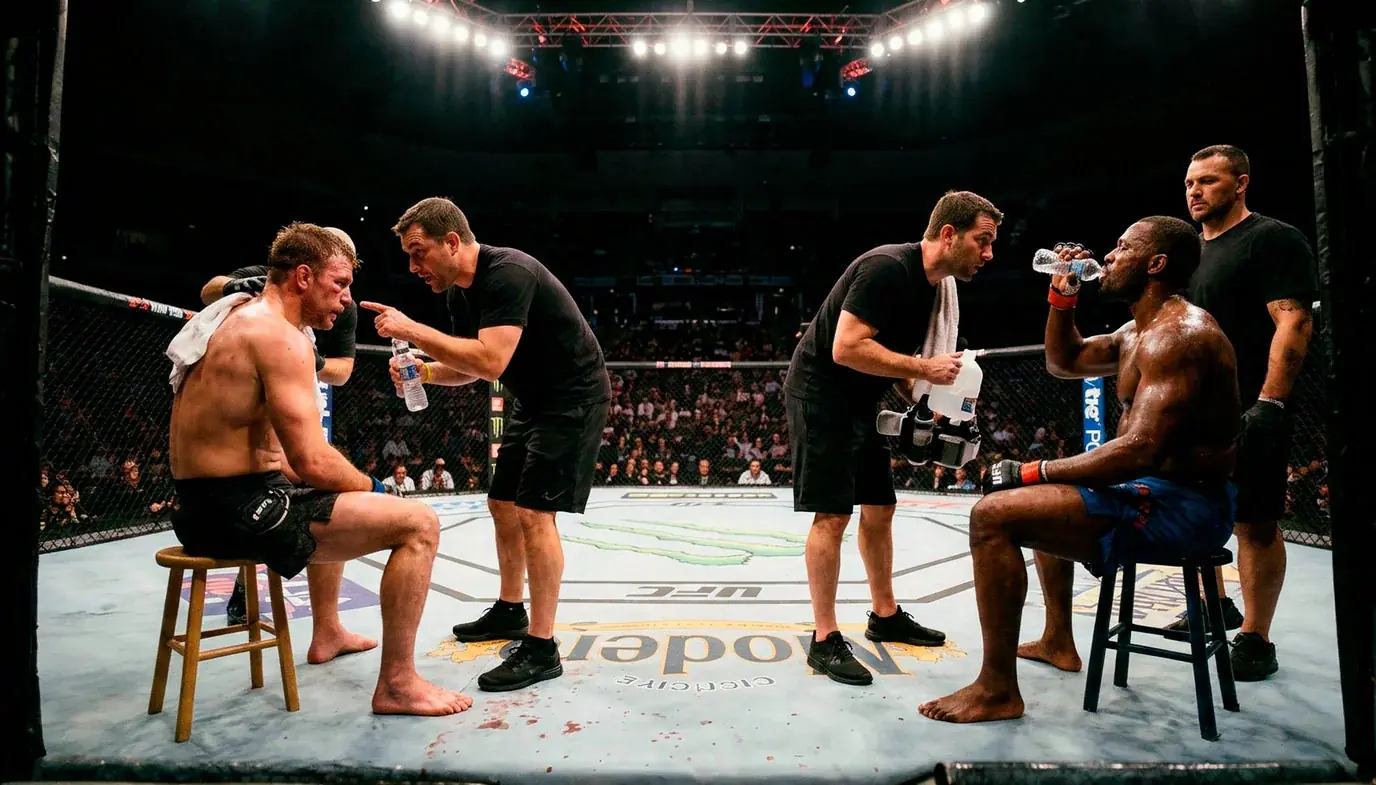
One of the slower lessons I learned in UFC betting is that not all cards are created equal — and the difference between a Fight Night and a numbered pay-per-view shows up in the betting markets in ways that change which bets actually pay. A numbered PPV at Madison Square Garden with two title fights produces betting markets that behave fundamentally differently from a Tuesday-night Fight Night card at the UFC Apex with three returning prospects on the main card. The lines move differently, the public-money distortion runs at different intensities, and the props markets have different depth. Treating both card types as “UFC cards” without recognising the structural difference is how I leaked a meaningful percentage of my bankroll in 2019 before I started tracking the patterns separately.
The headline difference is media attention and betting handle. Numbered pay-per-view cards attract roughly three to five times the betting volume of an equivalent Fight Night, depending on the marquee value of the main event. That volume gap produces every structural difference between the two card types — sharper closing lines on PPVs, softer prop markets on Fight Nights, larger public-money distortions on title fights, and tighter operator margins where the action is heaviest.
Why PPV Markets Run Sharper
The single biggest structural difference is the depth of trading on PPV markets versus Fight Night markets. A numbered PPV main event might attract tens of millions of pounds of action across the global betting market, with sharp money from professional syndicates flowing through every major bookmaker. The closing line on a PPV main event reflects the collective intelligence of dozens of trading desks and hundreds of serious bettors, all working the same information.
The result is that PPV main events are typically the sharpest-priced UFC fights of the year. The bookmaker margin is tight (often 3% to 5% on the moneyline), the price moves smoothly with sharp action, and the closing line tends to settle close to the true probability. Extracting edge on PPV main events requires genuine information advantage or strong analytical work — the price isn’t usually wrong by accident.
The trade-off is that PPV cards produce more total fights with high market attention. The co-main, the third-from-the-top fight, and even the second prelim main card fight all get more trading volume on a PPV than they would on a Fight Night. The sharpness extends down the card, which means the easy-edge cohort of prelim fights with thin pricing largely disappears on PPV cards. Either you find an edge on the heavily-traded main events, or you wait for the next card.
Where Fight Night Cards Pay
Fight Night cards run with substantially less media attention, less public money, and thinner trading on most of the card. The main event might attract reasonable action — particularly if it features a contender or a returning name — but the prelim and undercard fights often run with very thin betting depth. That thinness produces the structural edge that Fight Nights offer.
The bookmaker’s price on a prelim Fight Night bout is often built on a generic model with limited recent tape and minimal sharp action to refine it. Prop markets on these fights frequently have wider margins than on PPV equivalents — 12% to 18% on round totals isn’t unusual, compared to 6% to 10% on PPV co-mains. The wider margin sounds like worse value, but it actually means the line is less efficient and the available edge on specific matchups is larger than the margin would suggest, because the bookmaker is pricing approximately rather than precisely.
The cleanest betting opportunities I track on Fight Night cards are three: prelim moneyline underdogs at +200 or longer where the matchup has a clear structural feature the bookmaker has under-weighted; round totals on prelim fights between two methodical fighters where the over price is generous relative to the matchup’s actual decision probability; and method-of-victory props on prelim grappler-versus-striker matchups where the takedown asymmetry is large but the prop pricing reflects the divisional generic rather than the specific matchup.
The bets I avoid on Fight Night cards are accumulators across multiple low-traded fights — the variance compounds in ways the wider Fight Night margins don’t compensate — and live in-play bets on prelim fights, where the live model is sometimes calibrated less carefully than the main event live model.
The Title Fight Public-Money Pattern
Title fights produce the most distorted public-money patterns in all of UFC betting, and they almost always headline PPV cards. Roughly 75% of public action flows to the champion in a typical title fight — sometimes higher when the champion is on a dominant run. The bookmaker adjusts the line to balance the book, pushing the champion’s price shorter and the challenger’s price longer than the matchup alone would justify.
The implication is that title-fight challengers at +250 or longer are systematically over-represented in the cohort of positive expected value bets. Not every title underdog is a value bet — many of them are correctly priced as substantial underdogs because they’re substantial underdogs. But the cohort as a whole offers better expected value than the equivalent prices on non-title PPV main events, simply because the public-money distortion is most severe on the most heavily-bet fights.
The diagnostic is straightforward. If the champion is being backed at 80% of public money but your matchup analysis says 65% is the right probability, the implied edge on the challenger is meaningful. If the public split is closer to the analytical split, the bet is closer to fair and probably not worth the variance of taking the dog.
Heavyweight title fights produce the largest public-money distortions of all, because heavyweight knockouts dominate the highlight reel and the public’s pattern recognition heavily favours the established power puncher. Heavyweight title underdogs in particular have produced consistent expected value in my tracking, though the variance is wider than at any other weight class.
Apex Cards and the Quieter End of the Schedule
A specific subset of Fight Nights run at the UFC Apex — the promotion’s in-house venue in Las Vegas. These cards typically feature lower-profile main events, returning prospects, regional names, and the kind of matchmaking that produces development opportunities rather than headline news. Betting handle on Apex cards runs lower than on typical Fight Nights, sometimes substantially.
The implication is that Apex cards have the thinnest trading of any UFC events, which produces the widest available margins and the largest available edges on specific matchups — provided you’re willing to do the analytical work on fighters the casual fan has never heard of. The downside is that the tape on these fighters is often limited, the public information is sparse, and the analytical work required to identify edges is substantial relative to the small unit sizes the wider margins justify.
For punters with capacity to research deeper into the UFC’s roster, Apex cards offer the calendar’s most accessible edges. For punters who treat UFC as Saturday-night entertainment, they’re probably skip events — the bets won’t pay enough to justify the prep work, and casual reads typically underperform the bookmaker’s model on fighters at this level.
The Pay-Per-View Buy and Marquee Effect
The pay-per-view model itself shapes the betting markets in subtle ways. Numbered PPVs are sold with the expectation of memorable fights, action-friendly matchmaking, and headline-grabbing performances. The UFC’s promotional decisions tend to push main events toward stylistic matchups likely to produce excitement — striker versus striker, finisher versus finisher, two fighters with documented action-fighter reputations.
The betting implication is that PPV main events have slightly higher finish rates than randomly-selected UFC main events of equivalent weight class. The over/under round totals on PPVs reflect this tilt, but the prop markets sometimes don’t fully account for it. Method-of-victory KO/TKO markets on PPV mains occasionally represent value because the underlying matchup is structurally finish-friendly in ways the generic divisional prior doesn’t capture.
The corollary is that decision rates on PPV mains run slightly lower than the divisional baseline. “Goes to decision” markets on PPV main events typically aren’t where I look for value — the price reflects the matchmaking selection bias, and the underlying probability is correctly priced as below the divisional average.
For the broader question of how five-round main event format interacts with PPV billing — particularly the cardio question and championship-round patterns — the five-round main event strategy piece covers the structural patterns that apply across both card types.
Building a Card-Type-Aware Routine
The operating habit is to know the card type before you start the week’s preparation and to set your expectations for edge accordingly. PPV cards reward depth of analysis on a small number of fights and tight execution on closing lines. Fight Night cards reward willingness to do the analytical work on prelim fights that nobody else is researching, paired with conservative staking that respects the higher variance.
The mistake is bringing PPV-card analytical intensity to a Fight Night — overthinking prelim matchups that the bookmaker has approximated rather than priced — or bringing Fight Night-card looseness to a PPV, where the lines are sharp and casual reads don’t survive the closing line. The two card types are genuinely different products, and the punters who recognise that difference produce noticeably better long-run results than those who treat them as interchangeable.
The honest summary: PPV is for tight, high-prep bets on heavily-traded markets where the edge requires real work. Fight Night is for thin-market exploitation where the analytical work pays through wider margins and softer prices. Both have their place in a betting calendar. Mixing them up is how routine variance turns into routine losses.
Are UFC PPV main event lines harder to beat than Fight Night main event lines?
Yes, structurally. The volume of sharp action on PPV main events produces tighter closing lines and narrower bookmaker margins, which means casual or moderately-informed bets rarely produce positive expected value at the headline. Fight Night main events typically have less sharp action sharpening the line and wider margins, which paradoxically means the available edge is larger when you do identify a genuine mispricing — though such mispricings are rarer and require more specific analytical work to find.
Do UK bookmakers offer different welcome bonuses for PPV vs Fight Night cards?
Generally no — bonuses are operator-wide and apply to any UFC market regardless of card type. What can vary is promotional intensity around major PPVs, where bookmakers sometimes run enhanced odds offers or specific event-related promotions tied to title fights. Fight Night promotions tend to be standard recurring offers rather than event-specific ones. The April 2026 Remote Gaming Duty increase to 40% is likely to compress promotional generosity across both card types as operators absorb higher costs.
Created by the ”how can i bet on ufc Fights” editorial team.